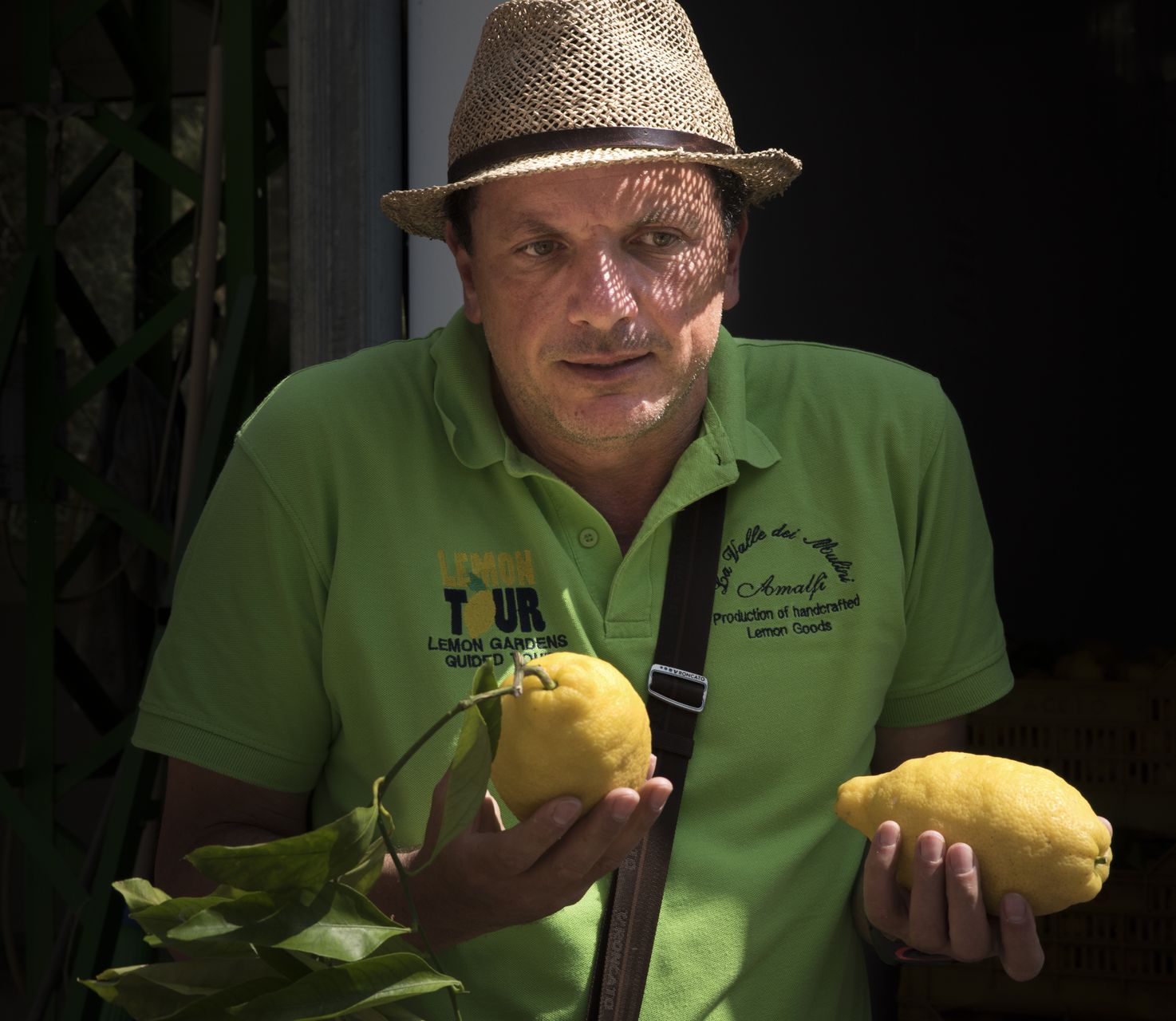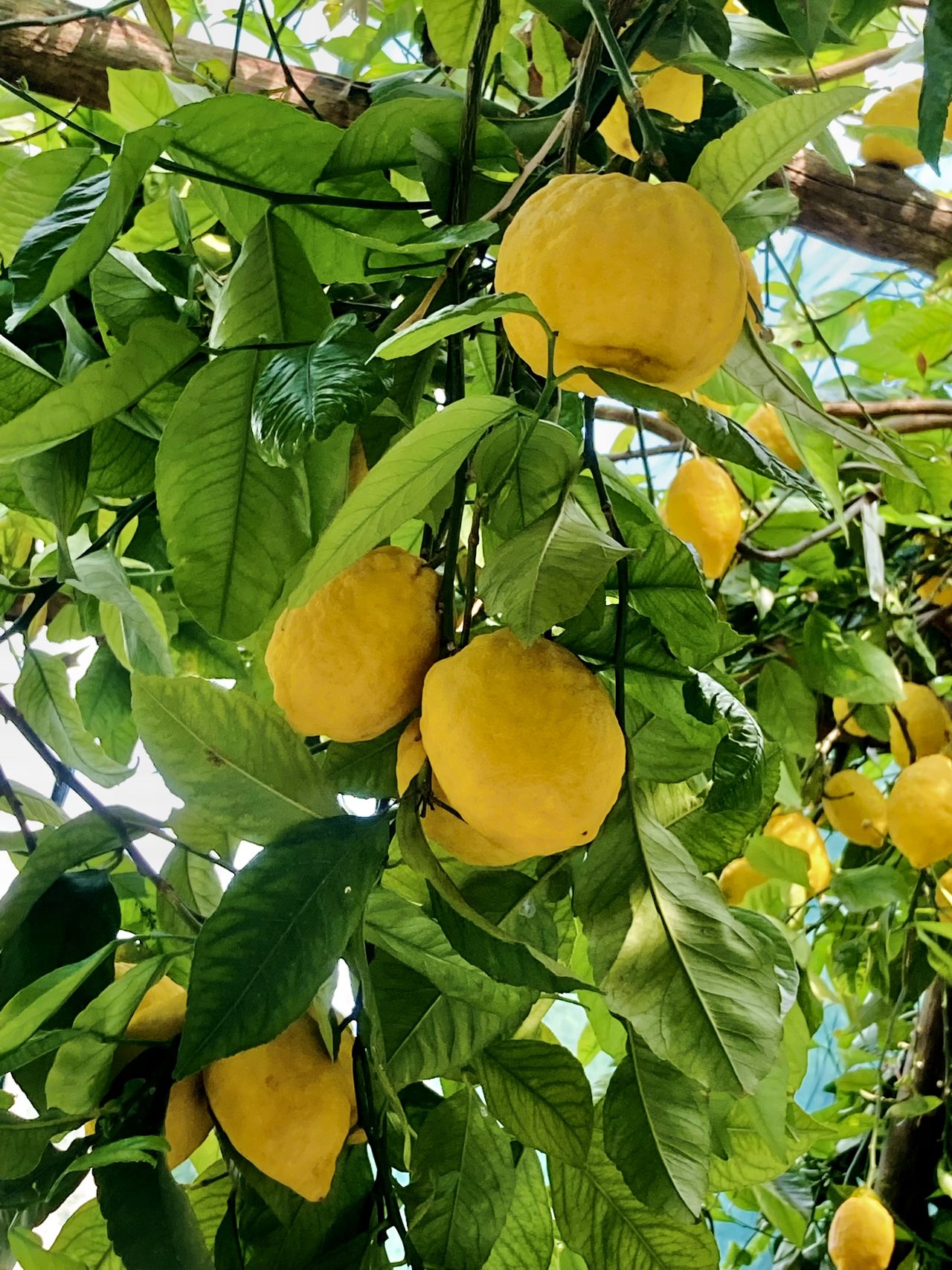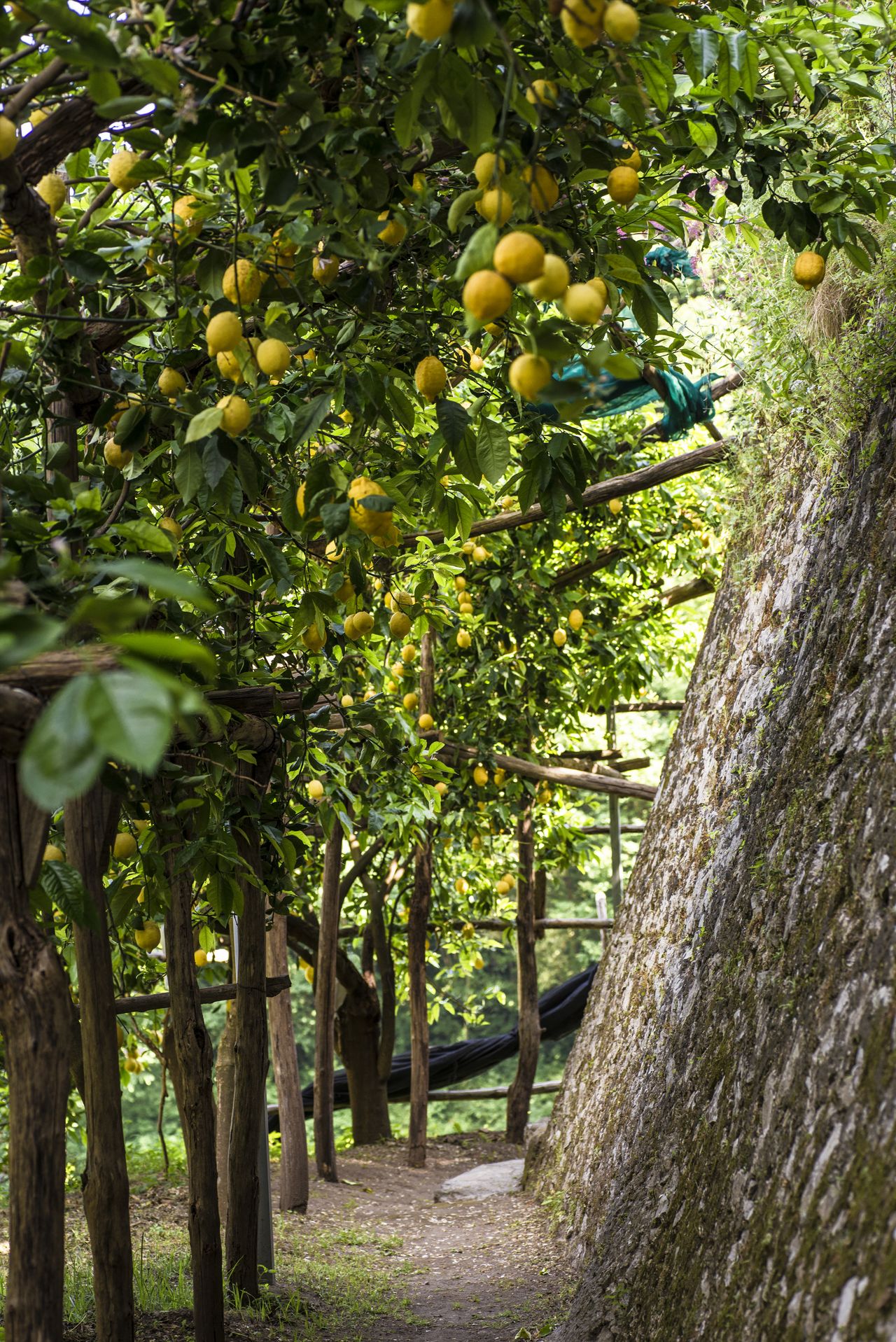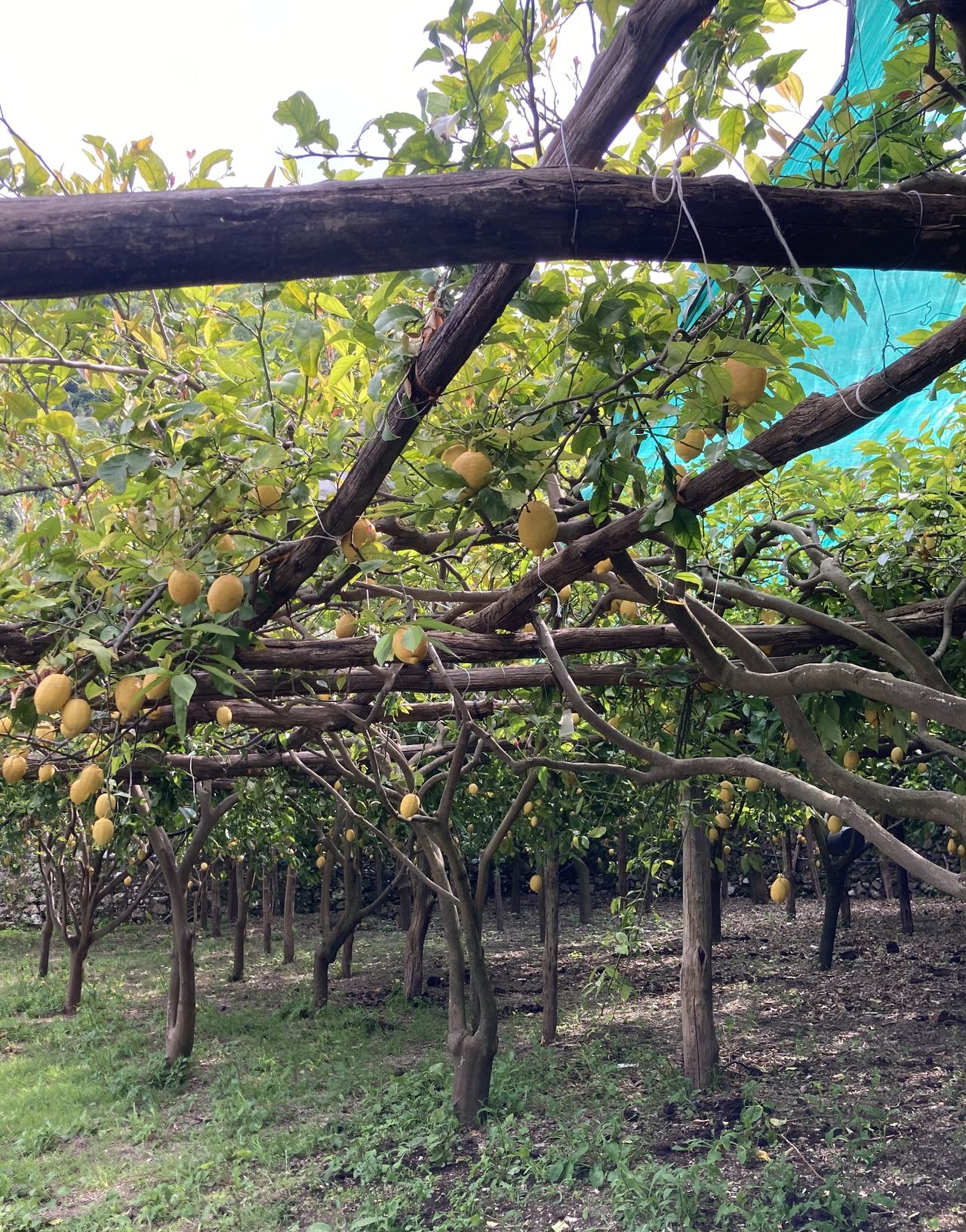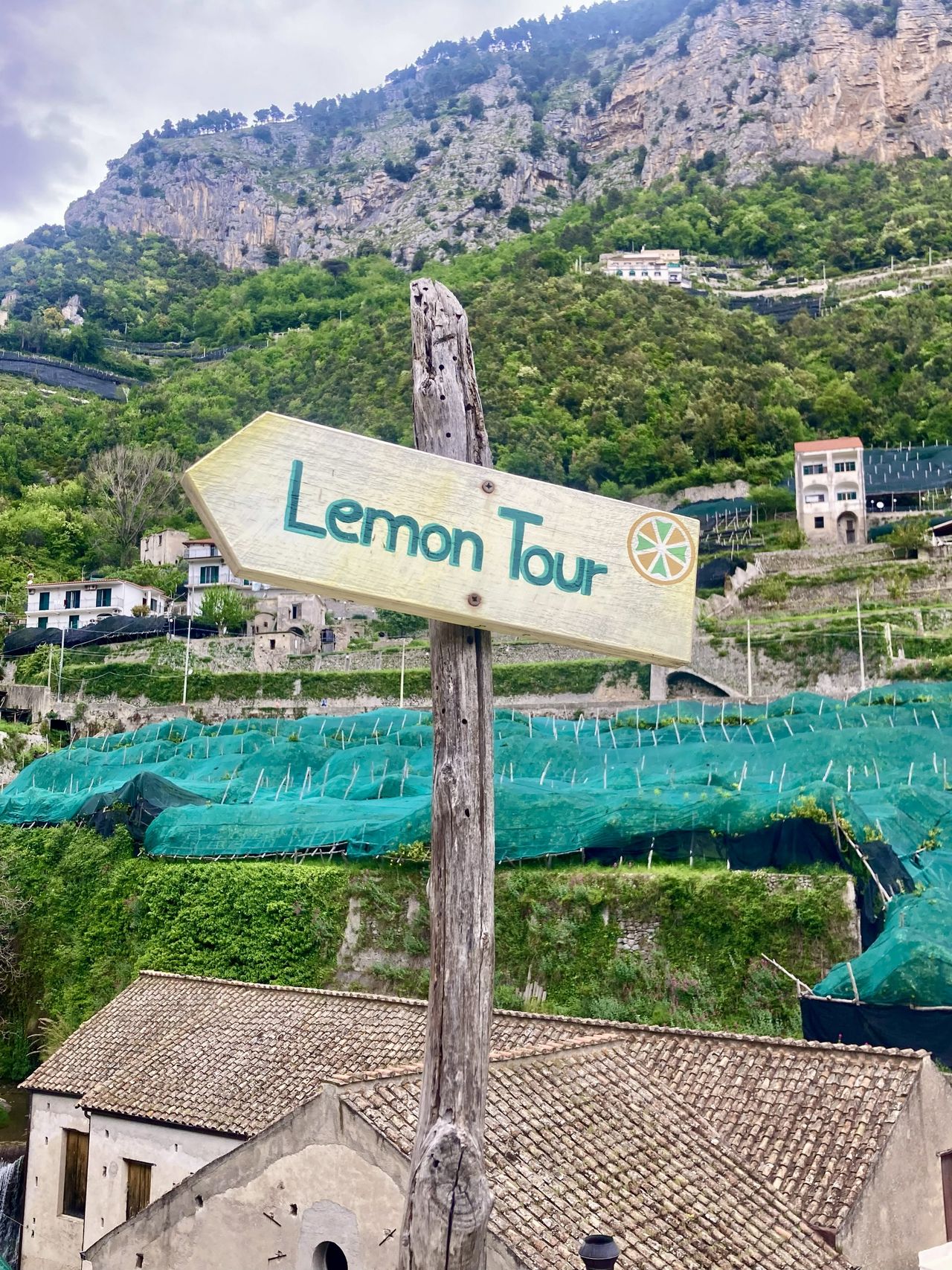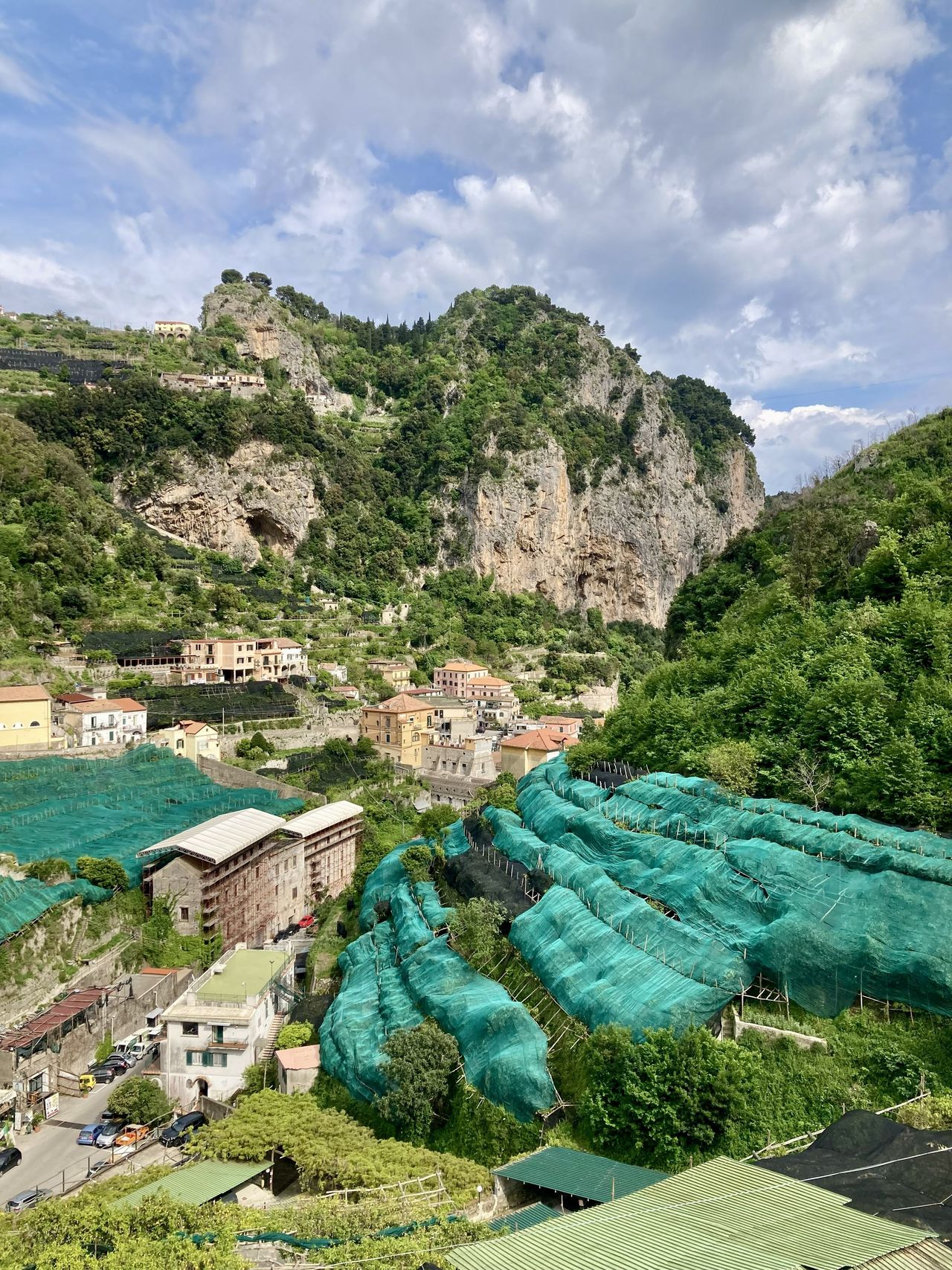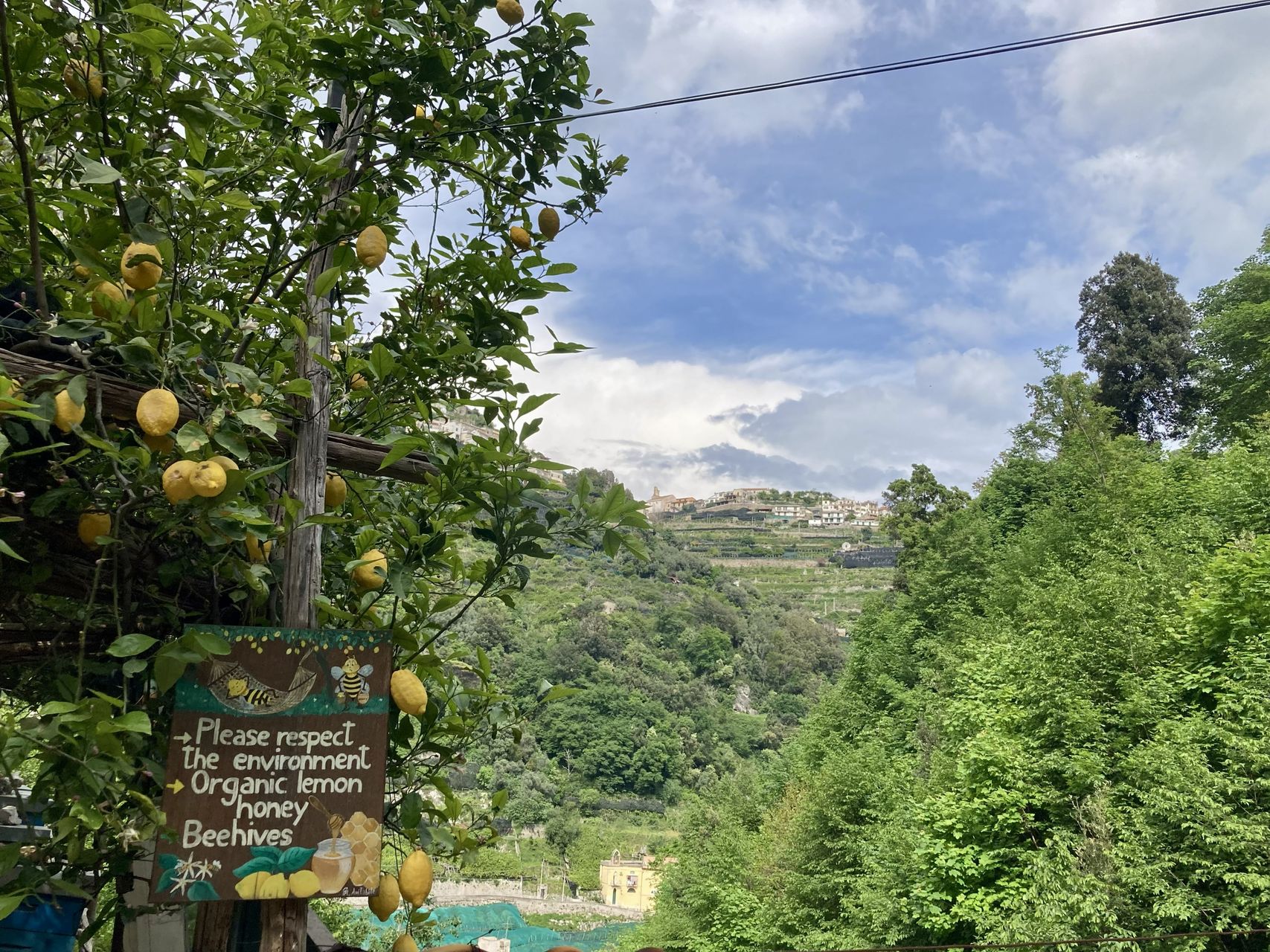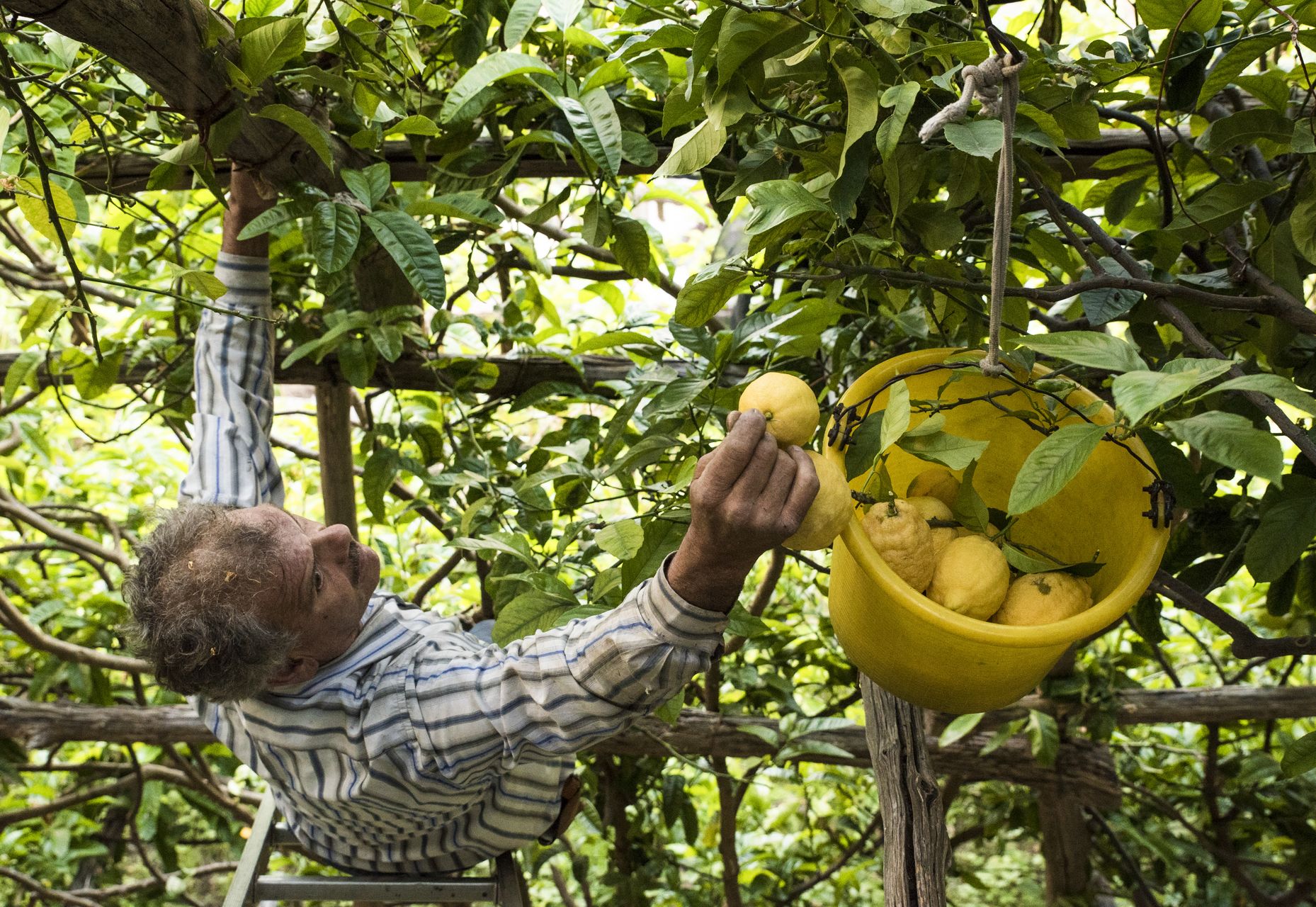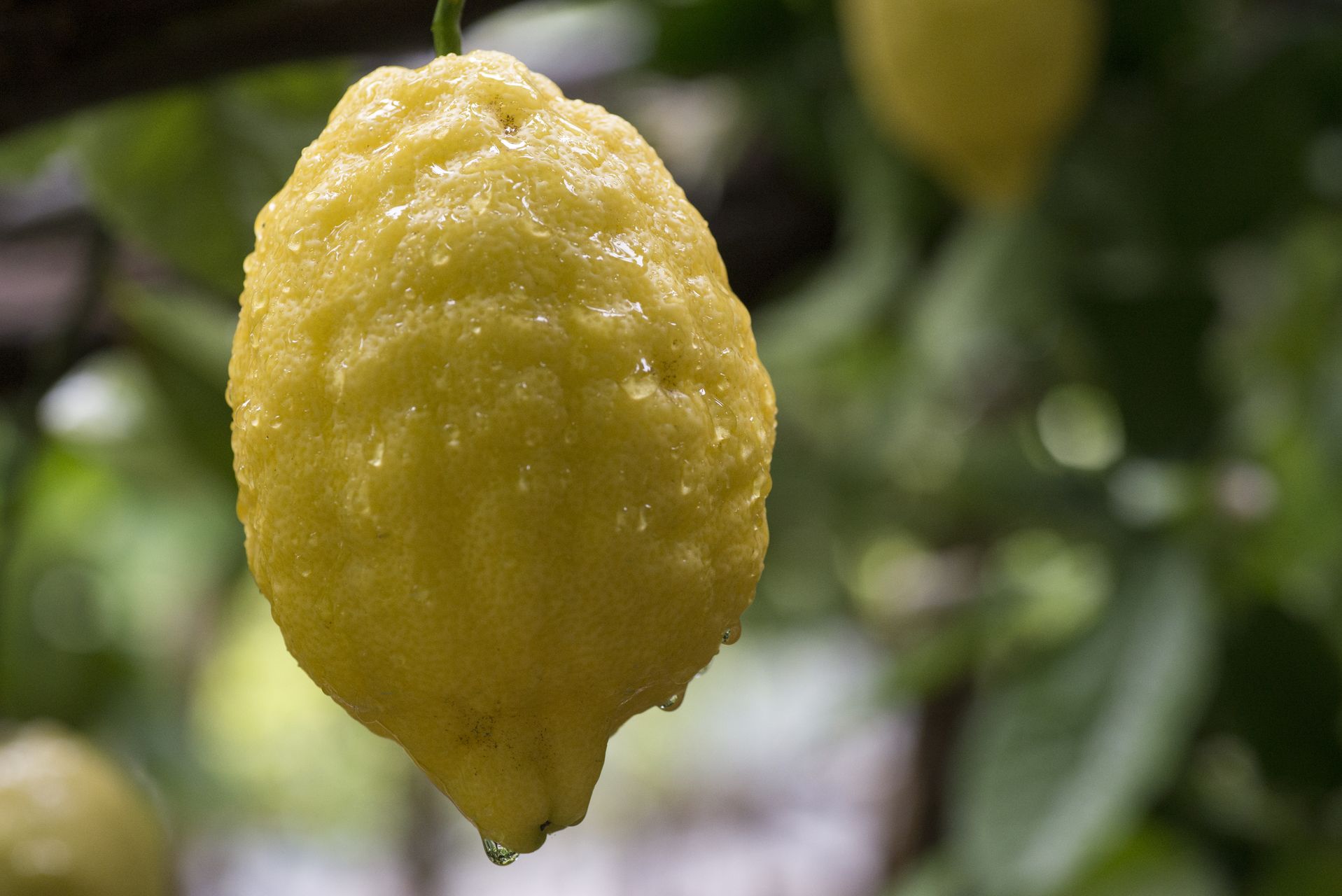
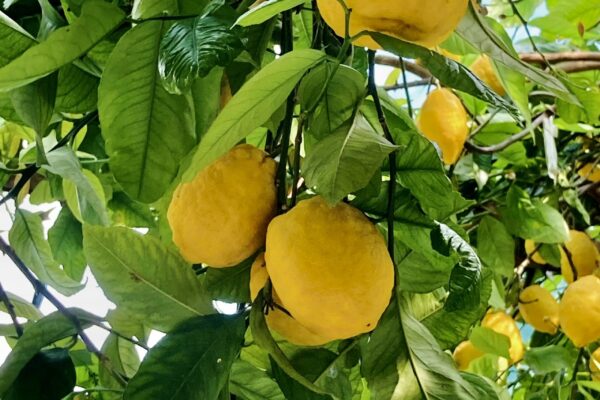
On the steep terraces of the Amalfi Coast, where lemon gardens cling to the hillsides between sea and sky, the Aceto family has cultivated organic lemons for seven generations. For the family, growing lemons is much more than an agricultural tradition. It is a way of life, deeply rooted in the land, in family memories and in the knowledge passed down from one generation to the next.
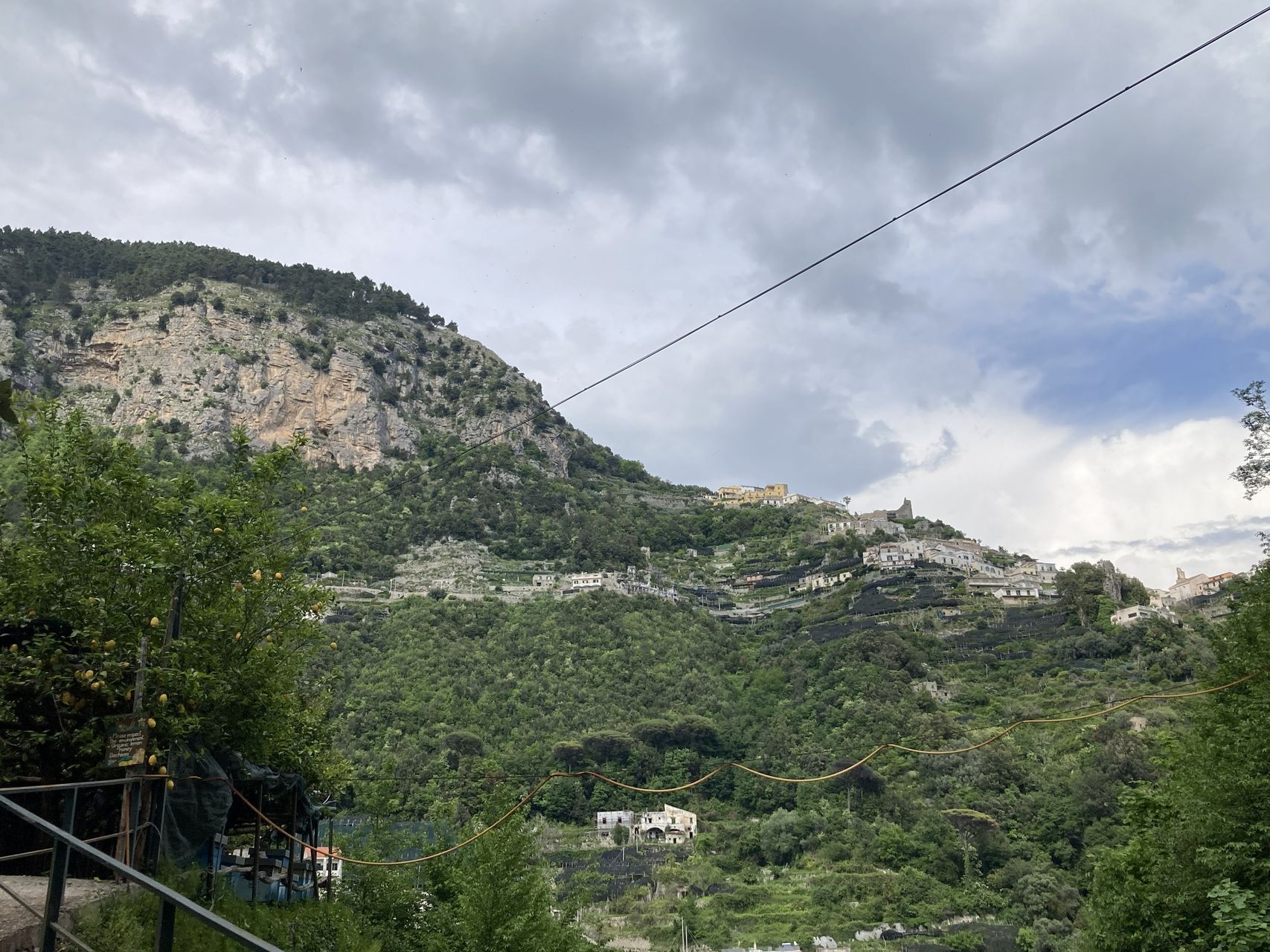
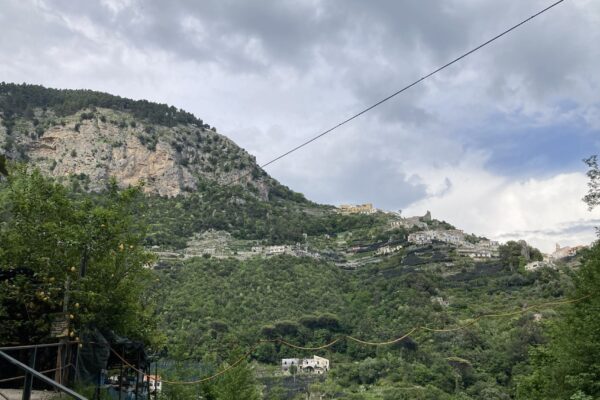
Their story is inseparable from Amalfi itself. Here, the landscape is as extraordinary as it is challenging. Steep slopes had to be transformed into productive terraces, carefully cultivated and maintained over generations. Behind the beauty of the lemon gardens lies a great deal of knowledge, patience and physical work – much of which remains invisible to those simply admiring the landscape.
For the Aceto family, opening their gardens to visitors became a way of sharing this heritage. It offers the opportunity to look beyond the postcard image of the Amalfi Coast and discover the people, traditions and daily work that have shaped this landscape over centuries.
Amalfi is home to the family in every sense of the word: It is where memories and everyday life intertwine, and where the surrounding landscape is not simply something to be admired, but something to be cared for. The beauty of the sea and the terraces is inseparable from the generations of people who have cultivated them.
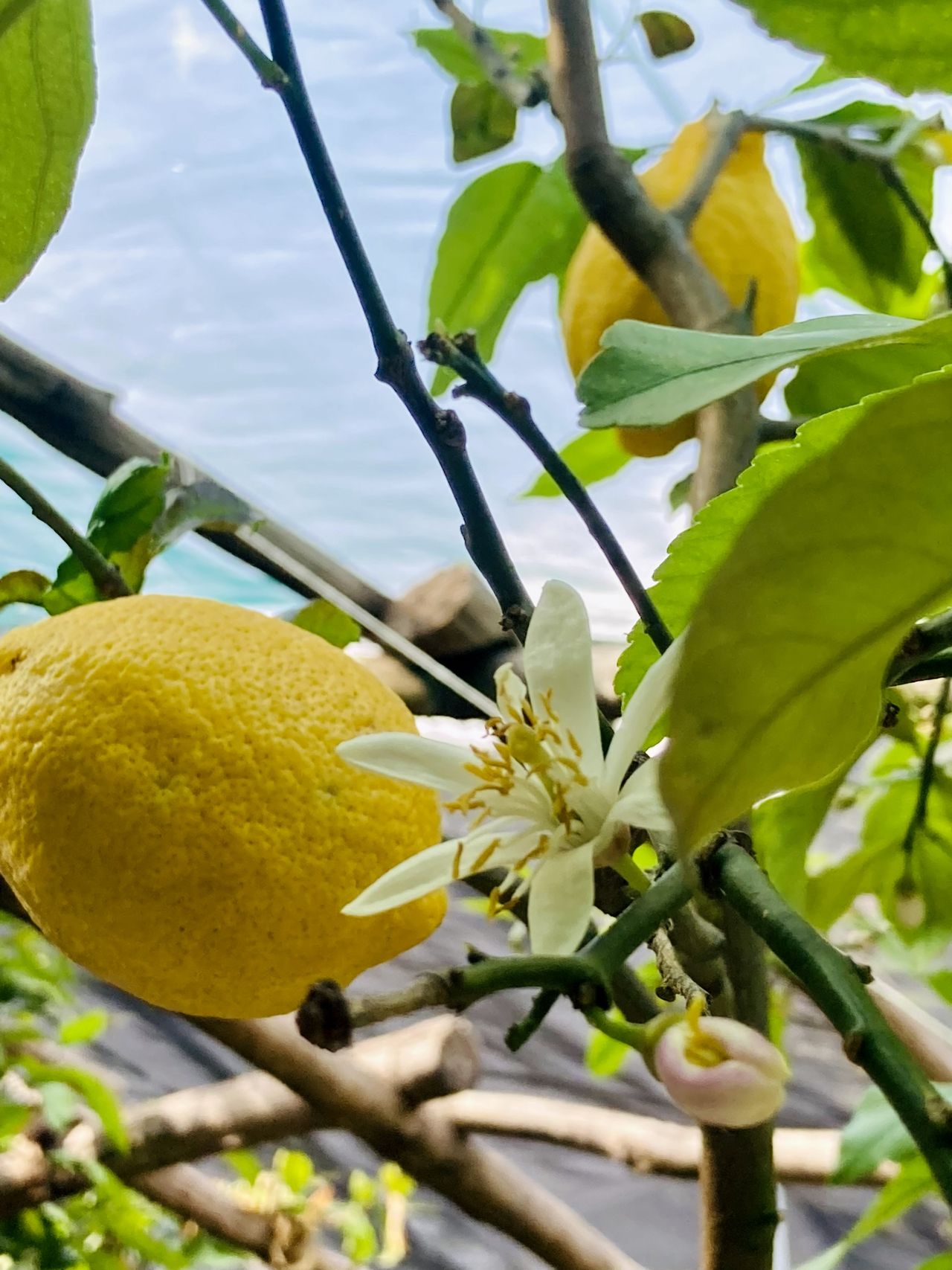
The rhythm of life here follows the seasons. One of the most rewarding aspects of the family’s work is watching the plants develop throughout the year and seeing the results of the care and attention they receive. What might appear simple from the outside – growing a lemon – is in fact a continuous process of observation, knowledge and dedication.
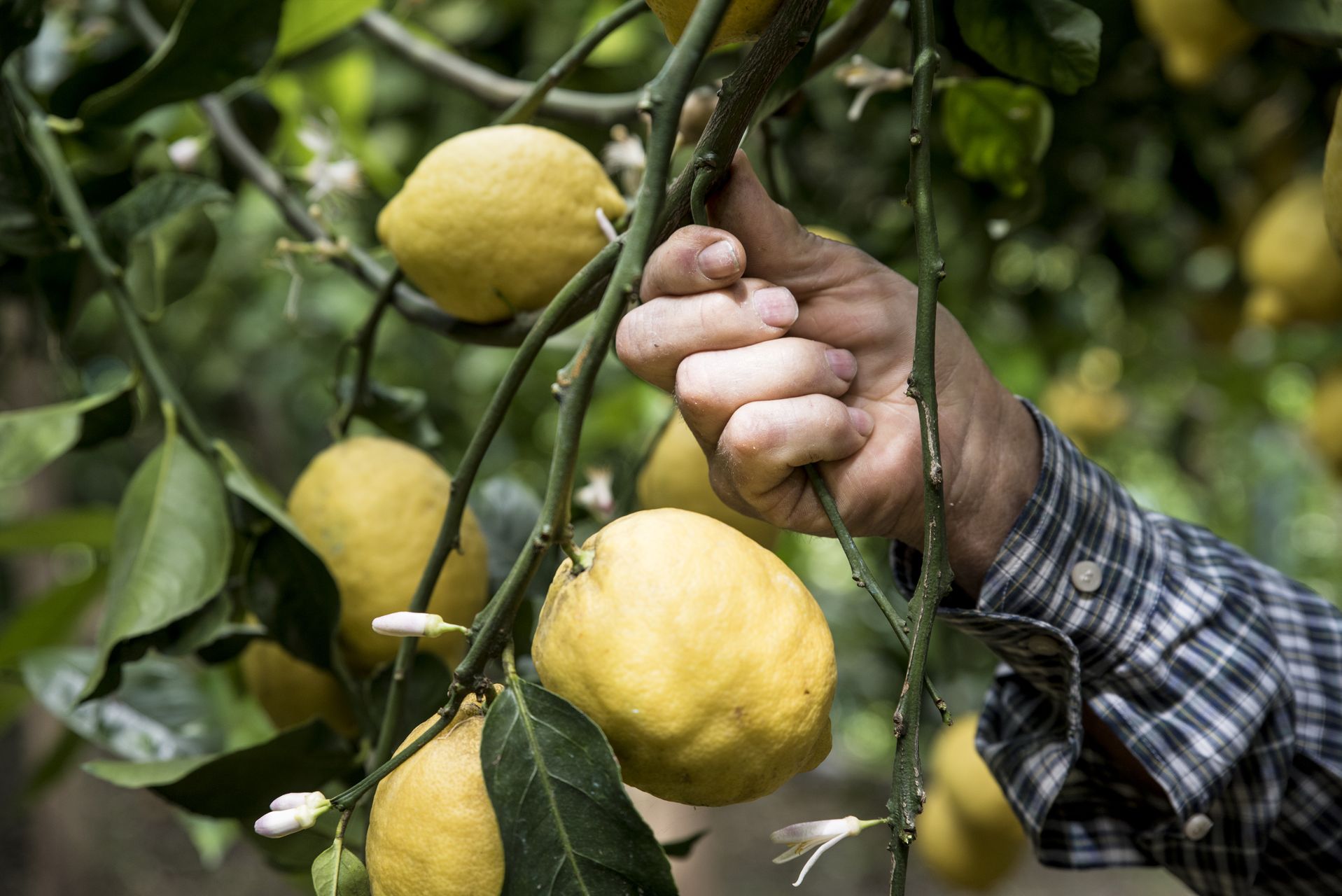
Particular attention is given to the health of the plants, the maintenance of the terraces and the natural rhythms of the land. The family follows organic cultivation methods, combining the knowledge inherited through generations with modern agricultural expertise. The aim is not only to care for the gardens today, but to preserve them for those who will come after.
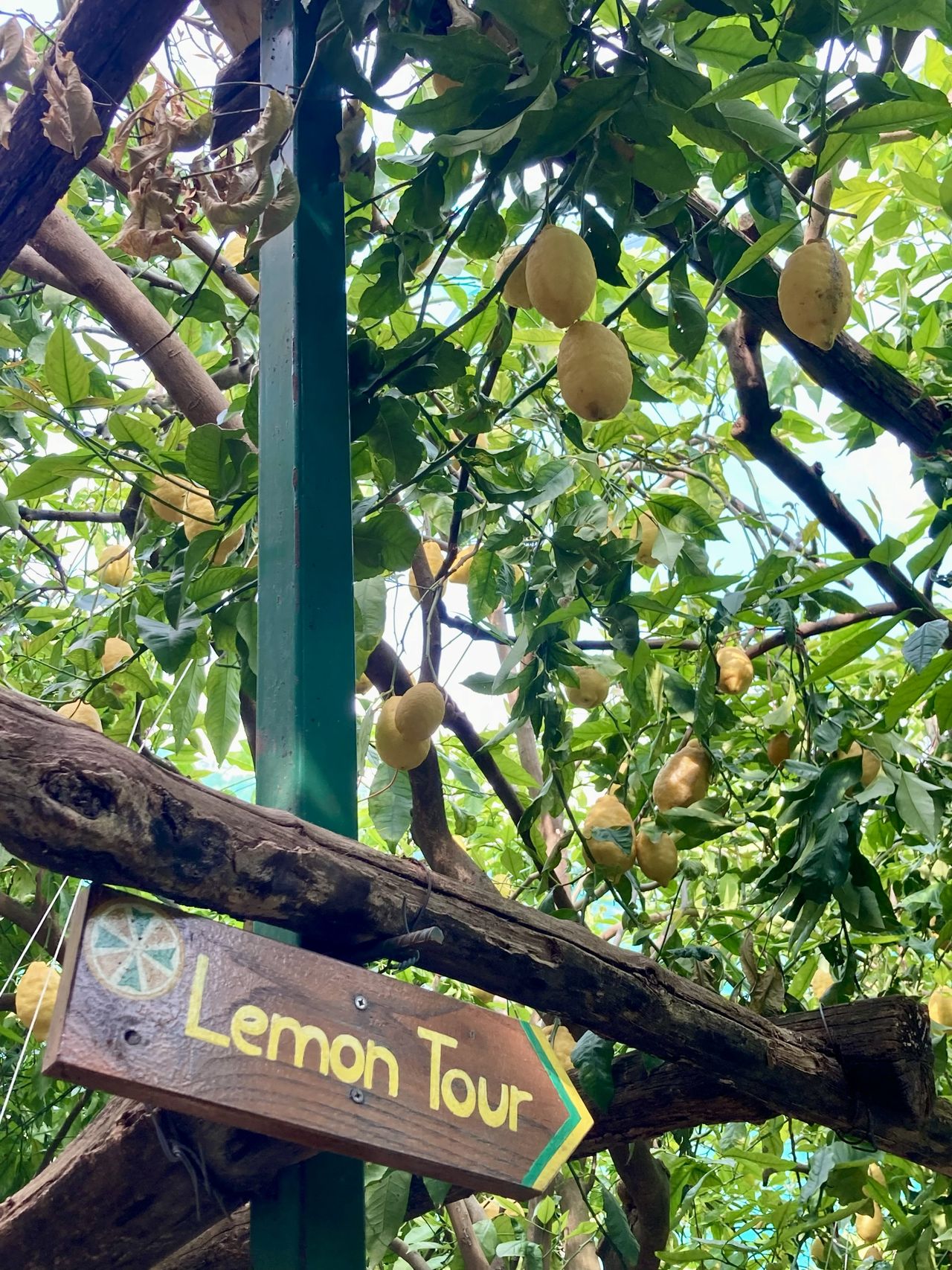
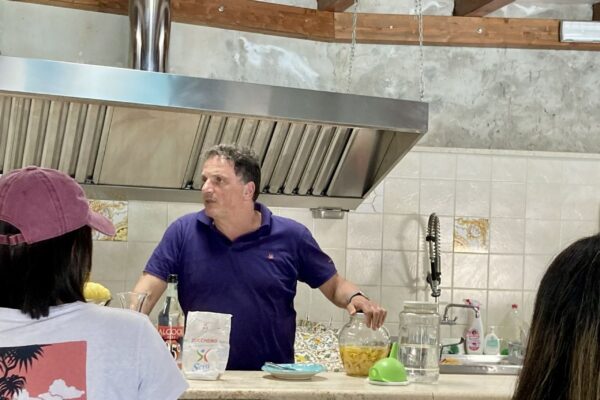
A visit to the Aceto family offers an opportunity to experience this work at close range. Walking among the lemon trees, visitors learn how the gardens are cultivated and what it means to work on these steep terraces. The family also openly shares the more demanding side of their work – the physical effort, challenges and care required to maintain a landscape that can look almost effortless from afar.
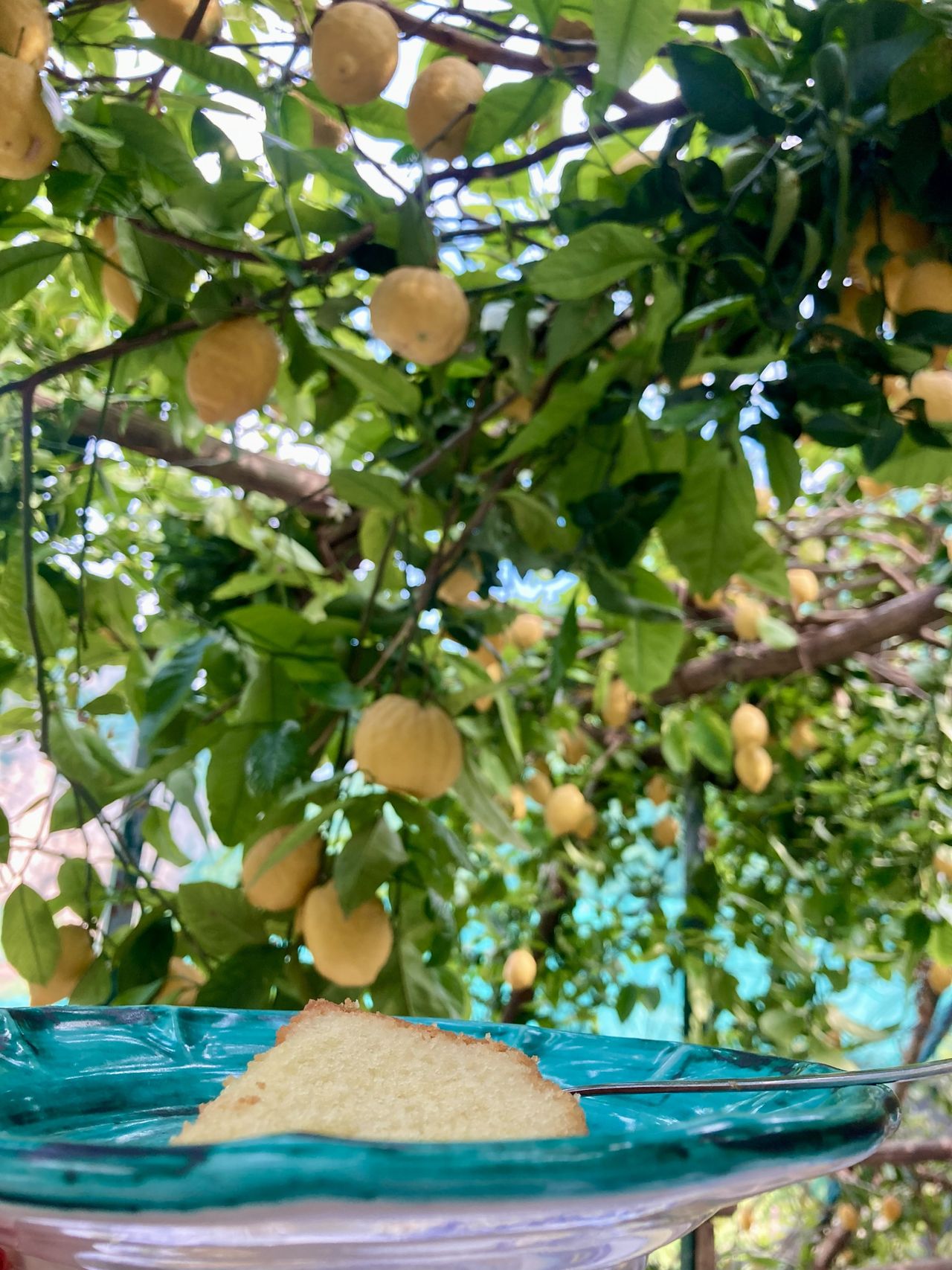
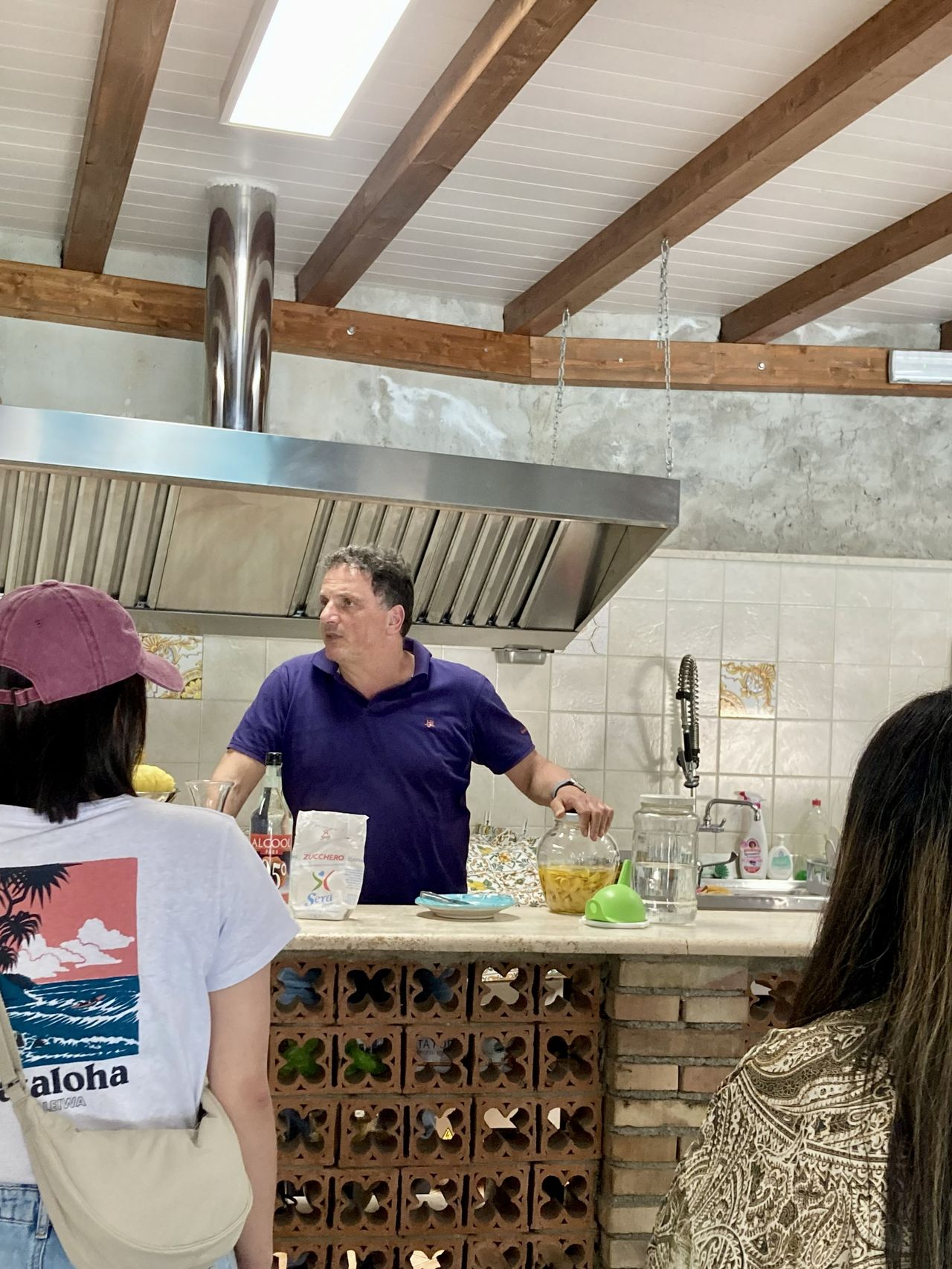
At the end of the visit, the experience comes together around the table. A tasting offers a moment of conviviality, where the story of the gardens continues through their flavours. It is a simple but meaningful reminder that the landscape of the Amalfi Coast is not only something to look at, but something that can be experienced through all the senses.
Perhaps this is what the Aceto family hopes visitors will take home with them: not simply the memory of beautiful lemon gardens, but of a family, a living tradition and the people behind the landscape. So that the next time they see a lemon garden on the Amalfi Coast – or taste one of its lemons – they might think of the generations of care, knowledge and work that make it possible.
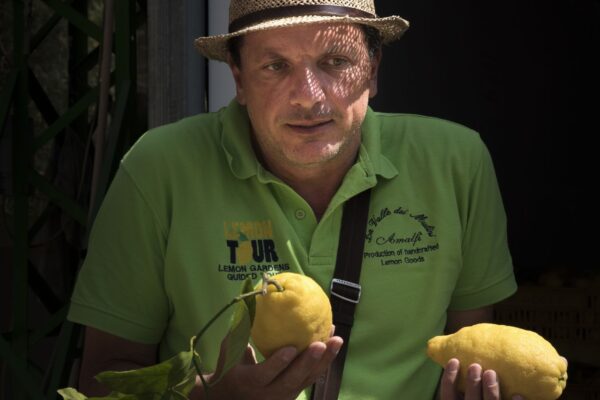
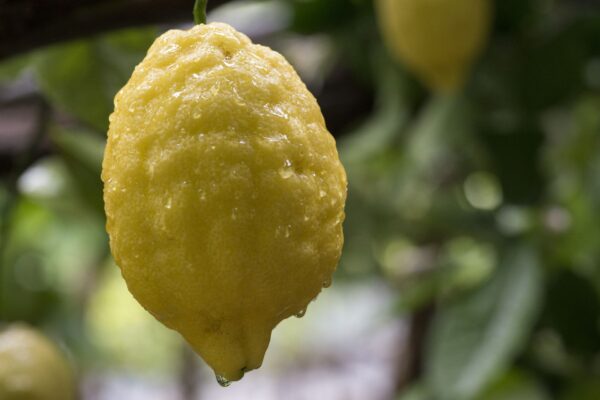
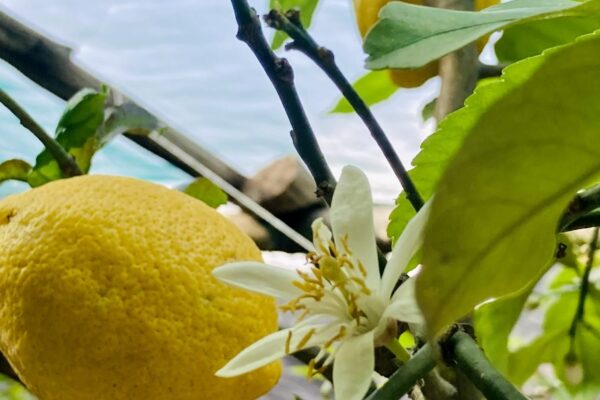
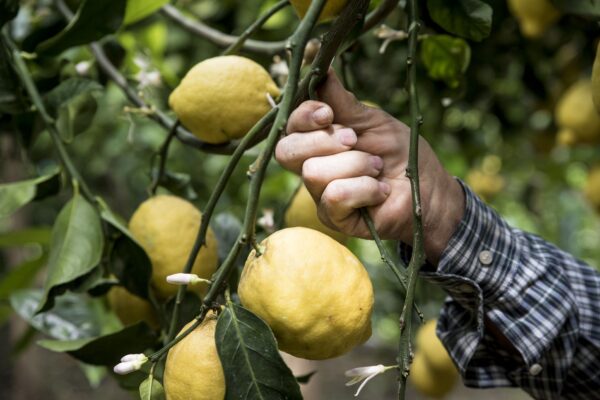


”Opening our gardens to visitors has been a way of sharing this heritage and showing the work behind a lemon and the landscape in which it grows.
Salvatore Aceto
REGION
Campania
ROLE
Organic Lemon Producer
FOCUS
Agriculture | Slow Living | Food & Wine
PART OF THE JOURNEY
Culinary Lazio & Campania
PLACE
What is your favourite hidden gem in Italy?
Valle dei Mulini (Valley of the Mills) in Amalfi: just a short walk from the town centre, among lemon groves and ancient paper mills, a quieter side of our landscape reveals itself.
TRAVEL
What makes a journey meaningful to you?
Meeting the people who call a place home, listening to their stories, and returning home with something more than just a beautiful photograph.
FLAVOUR
What is your favourite Italian dish?
Spaghetti al limone (lemon) – just a few ingredients, infused with the fragrance of our land.
MEANING
What makes your work meaningful to you?
Knowing that every garden we care for is a piece of history that continues to live on – and that we can pass it on to future generations.